The Water Crisis
In Much of Africa, Water Is the Hardest Part of the Day.
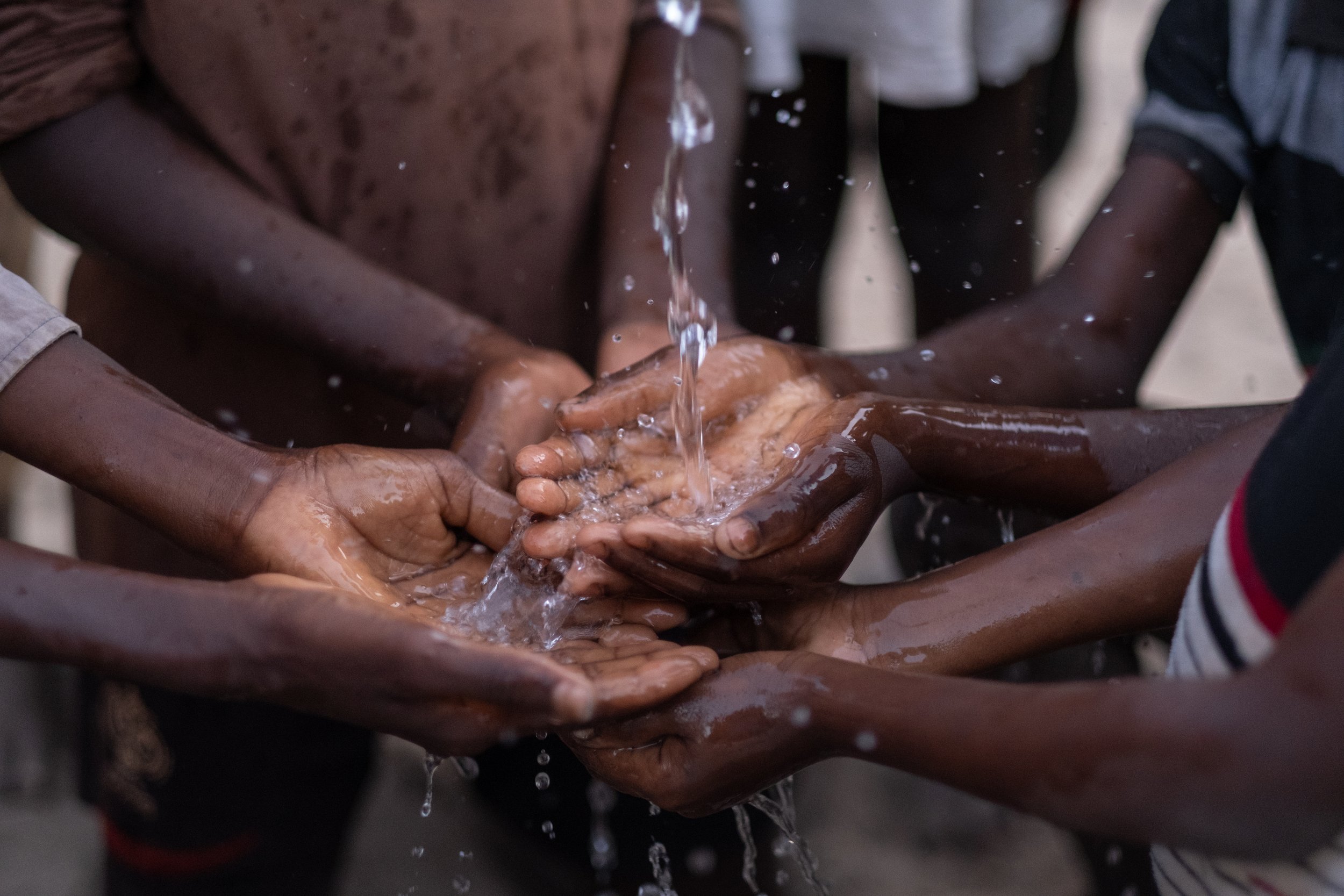
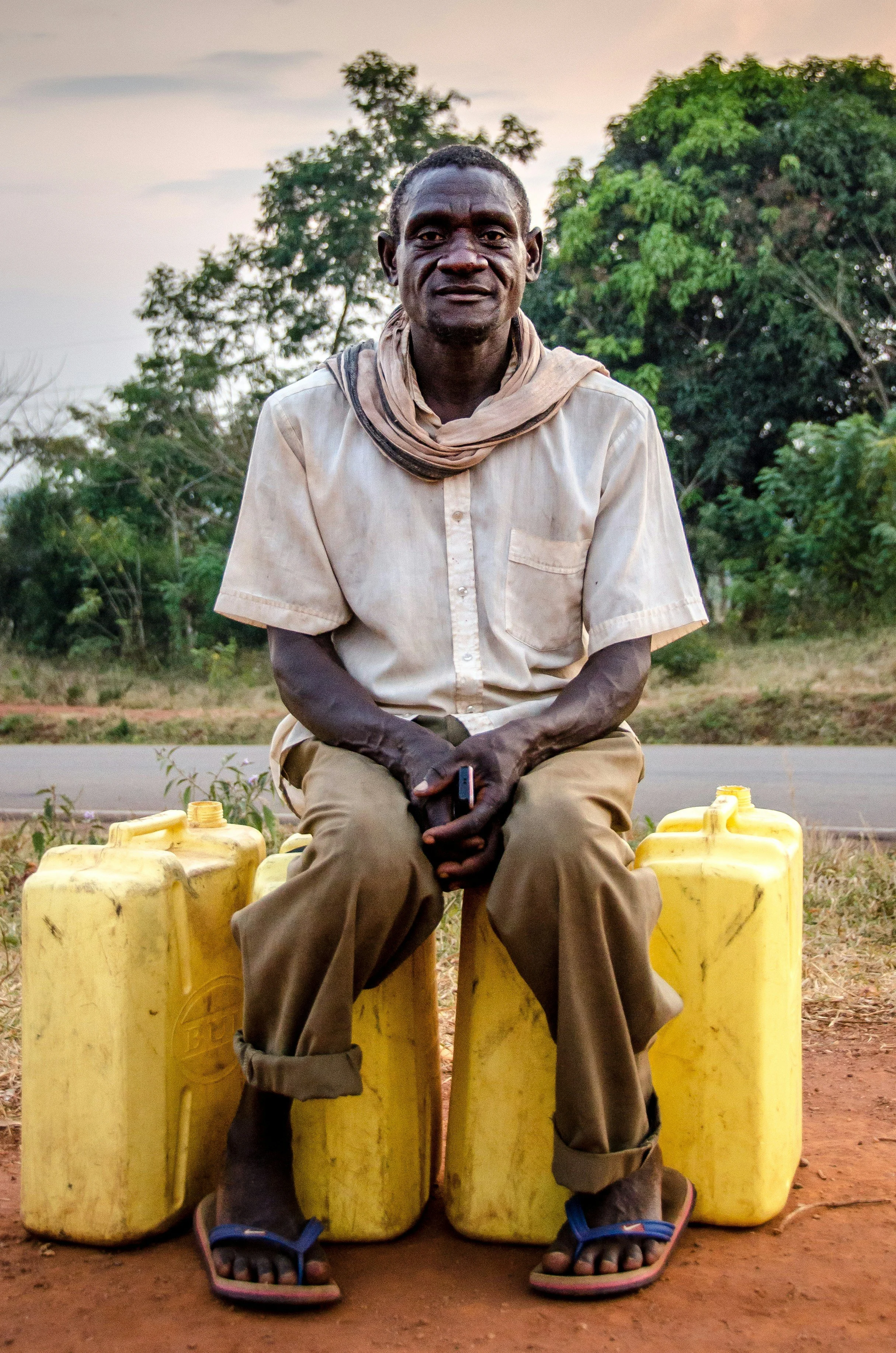
Across the African continent, roughly one in three people cannot walk to a tap, a pump, or a cup of water they actually know is safe. In rural areas — the kind of places Regions Beyond Global reaches, past the rivers and the end of the road — it's worse still: four out of five people have no safely managed drinking water at all. For most families, that means the nearest source is a shared river, a stagnant pond, or a hand-dug hole. It may be the only water they have. It is rarely water that's safe to drink.
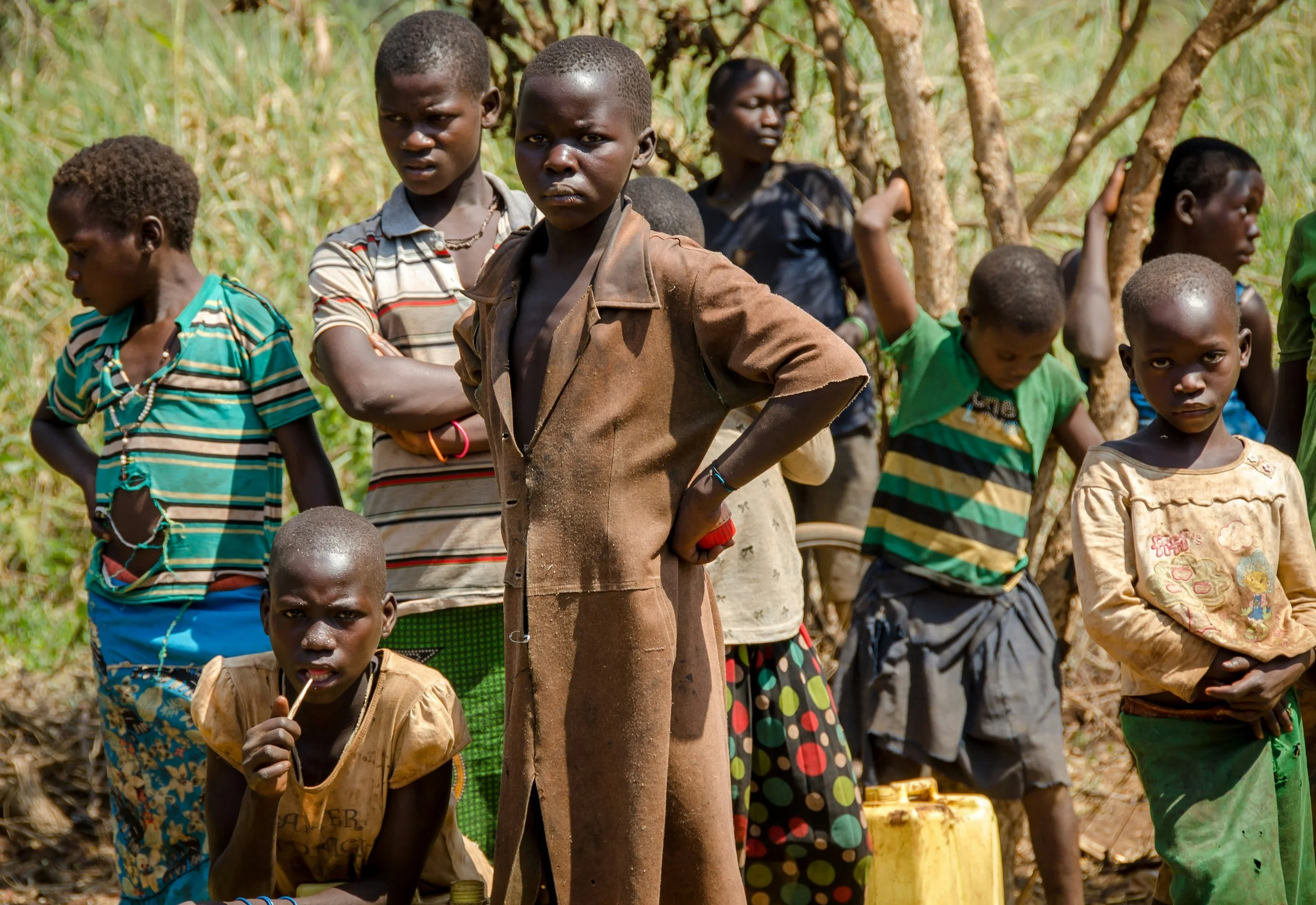
The weight of that falls hardest on women and children. Across Africa, women and girls spend an estimated 40 billion hours every year walking to collect water — hours not spent in school, at work, or at home with their families. And too often, the water they carry back carries disease with it. Worldwide, more than 800 children under five die every single day from illnesses like diarrhea traced back to one cause: unsafe water, poor sanitation and inadequate hygiene. It's one of the most preventable causes of death for a child anywhere on earth.
That's the crisis a single well can interrupt.
Built to Last,
Built to Serve.
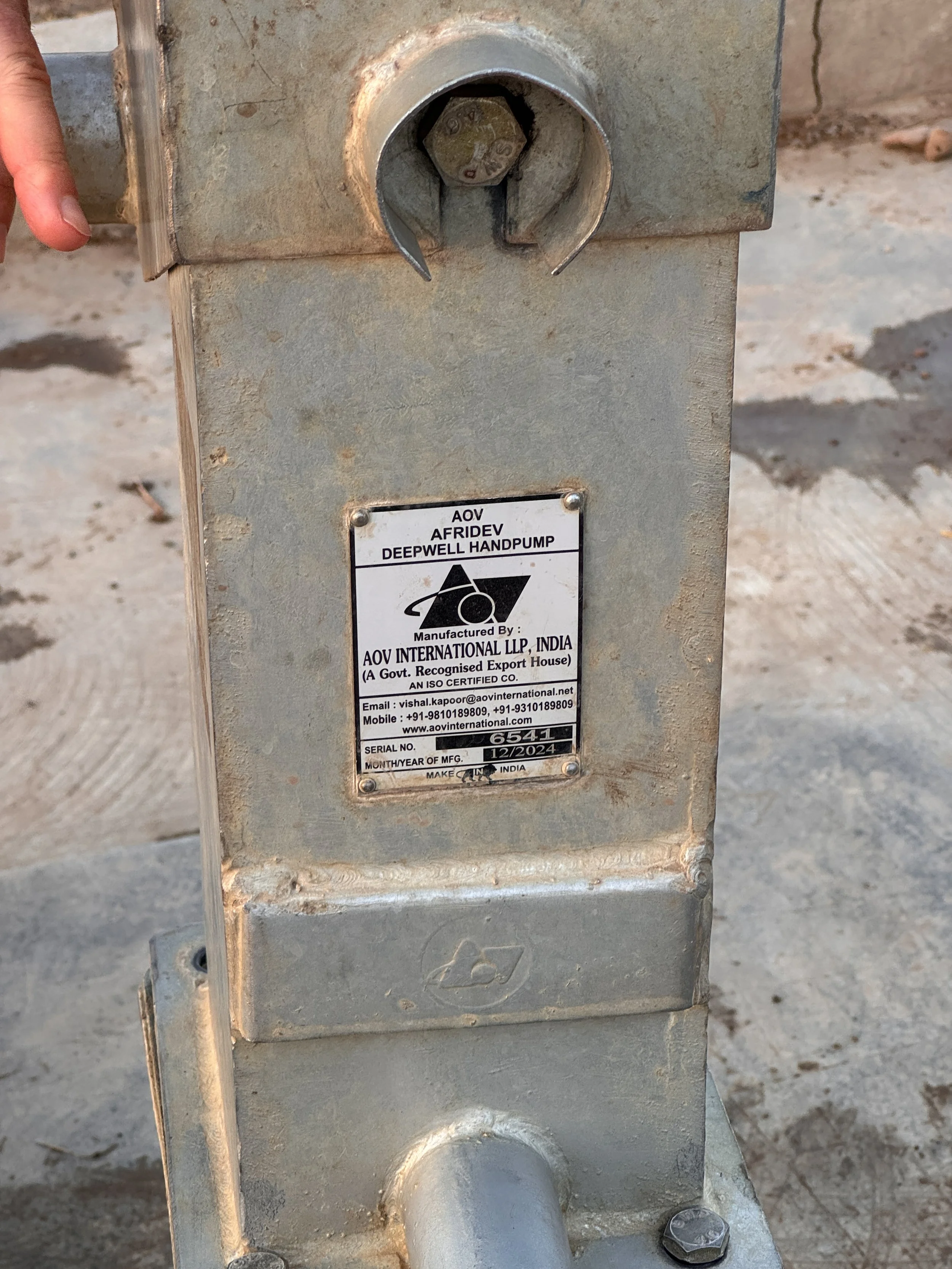
Manufactured by AOV International, India
Every well we install uses hand pumps from AOV International, an ISO 9001:2015-certified manufacturer in India with 25+ years building water equipment for humanitarian use, already at work in villages across Senegal, Nigeria, Ghana, Kenya and beyond.
These pumps are VLOM-engineered — Village-Level Operation and Maintenance — built on the proven India Mark III and Afridev platforms. Instead of requiring specialized tools just to change a washer, a village caretaker can pull the plunger and foot valve for repair without hauling up the entire pipe. A small design choice, built to keep a well running for twenty years, not two.
Fast facts: reaches boreholes 10–50 meters deep, delivers 800–1,800 liters an hour, and typically serves a community of around 300 people. It's the same India Mark pump family that UNICEF and WHO have relied on since the 1970s — the most widely installed hand pump on earth.
This isn't unproven technology. It's a trusted design, now installed well by well in the communities Regions Beyond Global serves.
The Cost of Clean Water
A well costs $4,000 to $5,000 to install, depending on location. Not a temporary fix — a well built to run for twenty years, changing daily life for every person in that village. Fewer children sick from what's in their cup. Women and girls no longer walking hours a day for water that wasn't even safe.
We can't do this alone. Fund a well outright, split the cost with your church, or give monthly toward the next one. There are still villages waiting on water.
For $4,000 to $5,000, you can be the reason one of them isn't waiting anymore.
Clean Water Shouldn’t Be Beyond Reach.
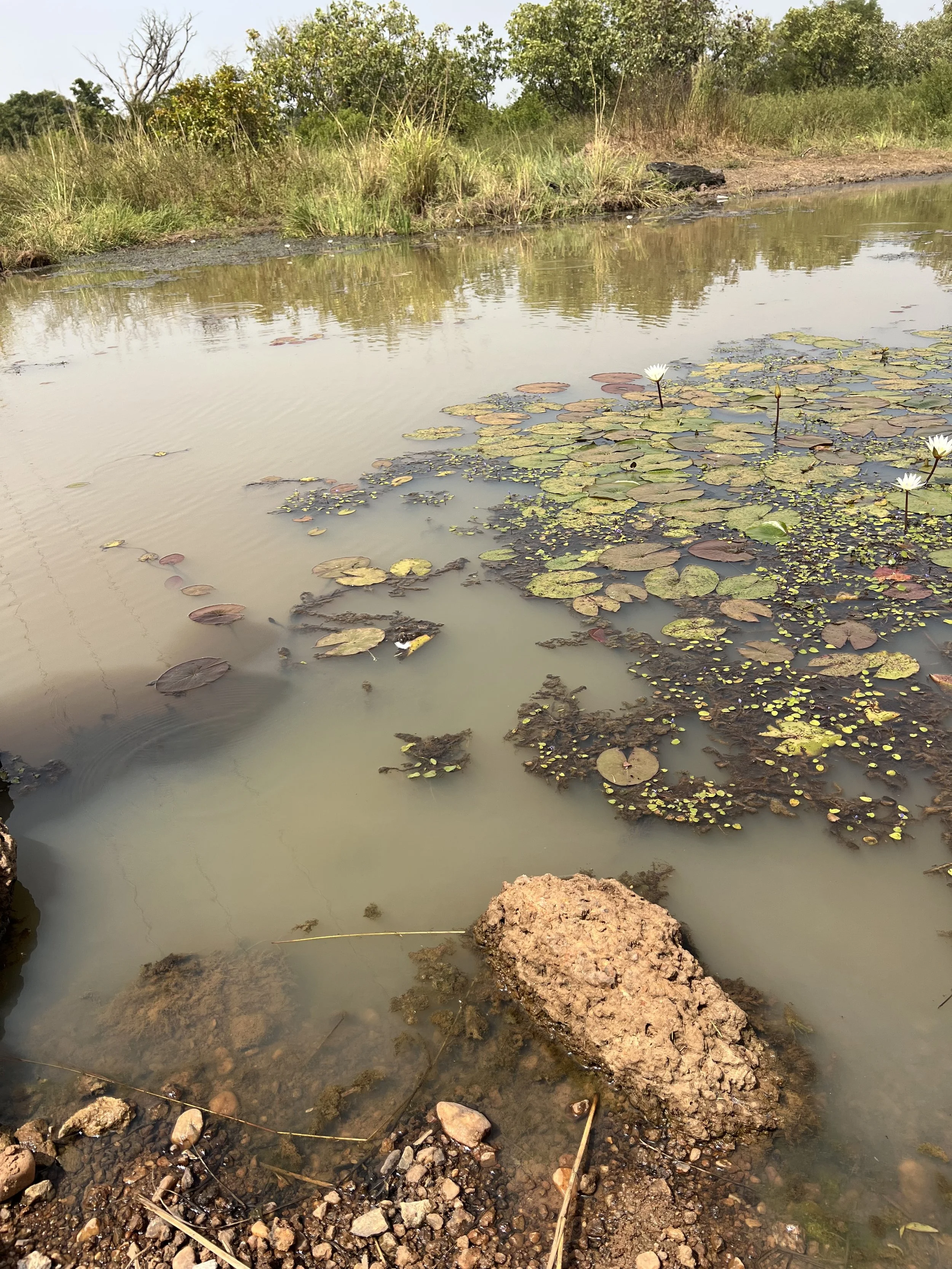
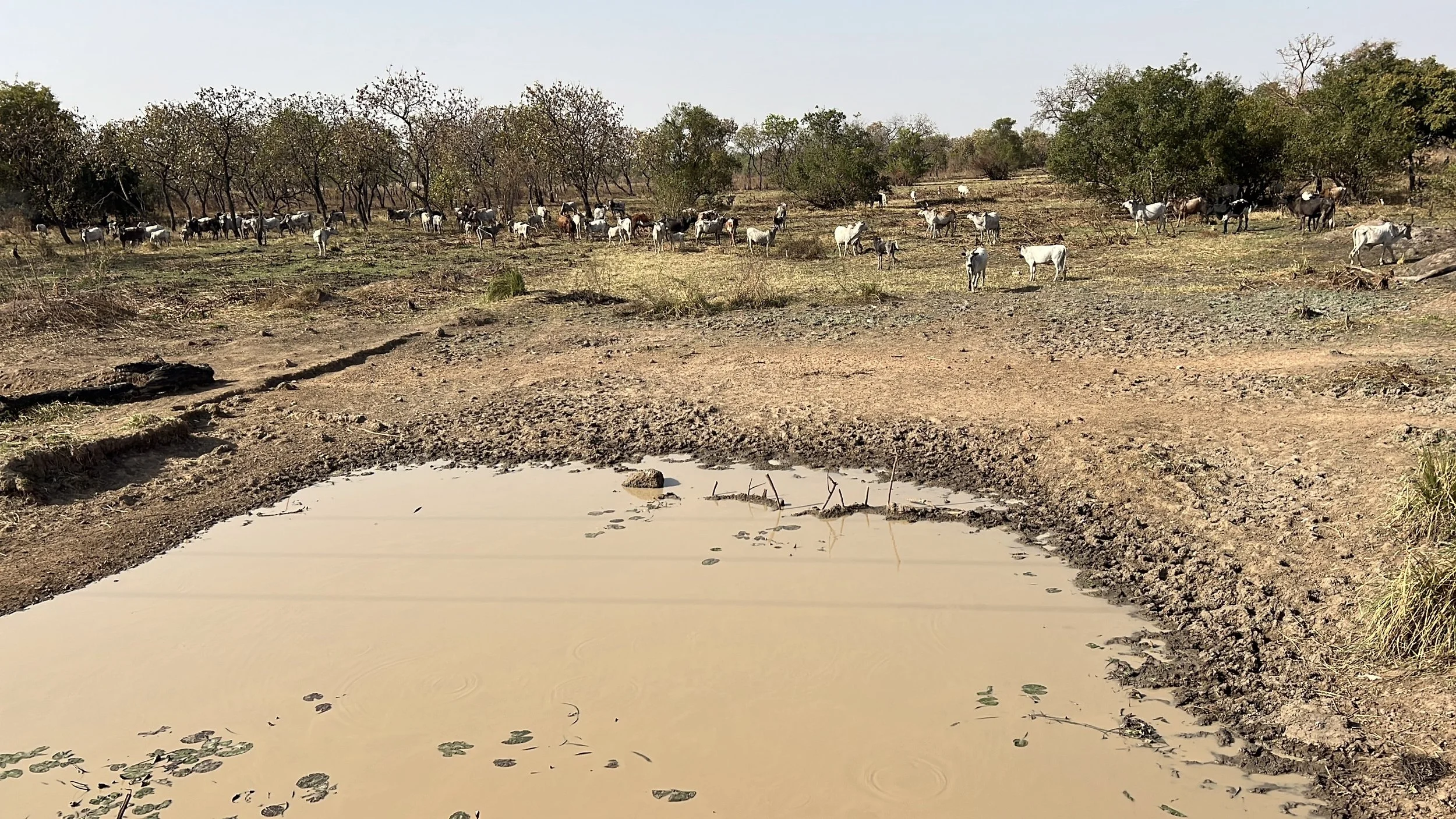
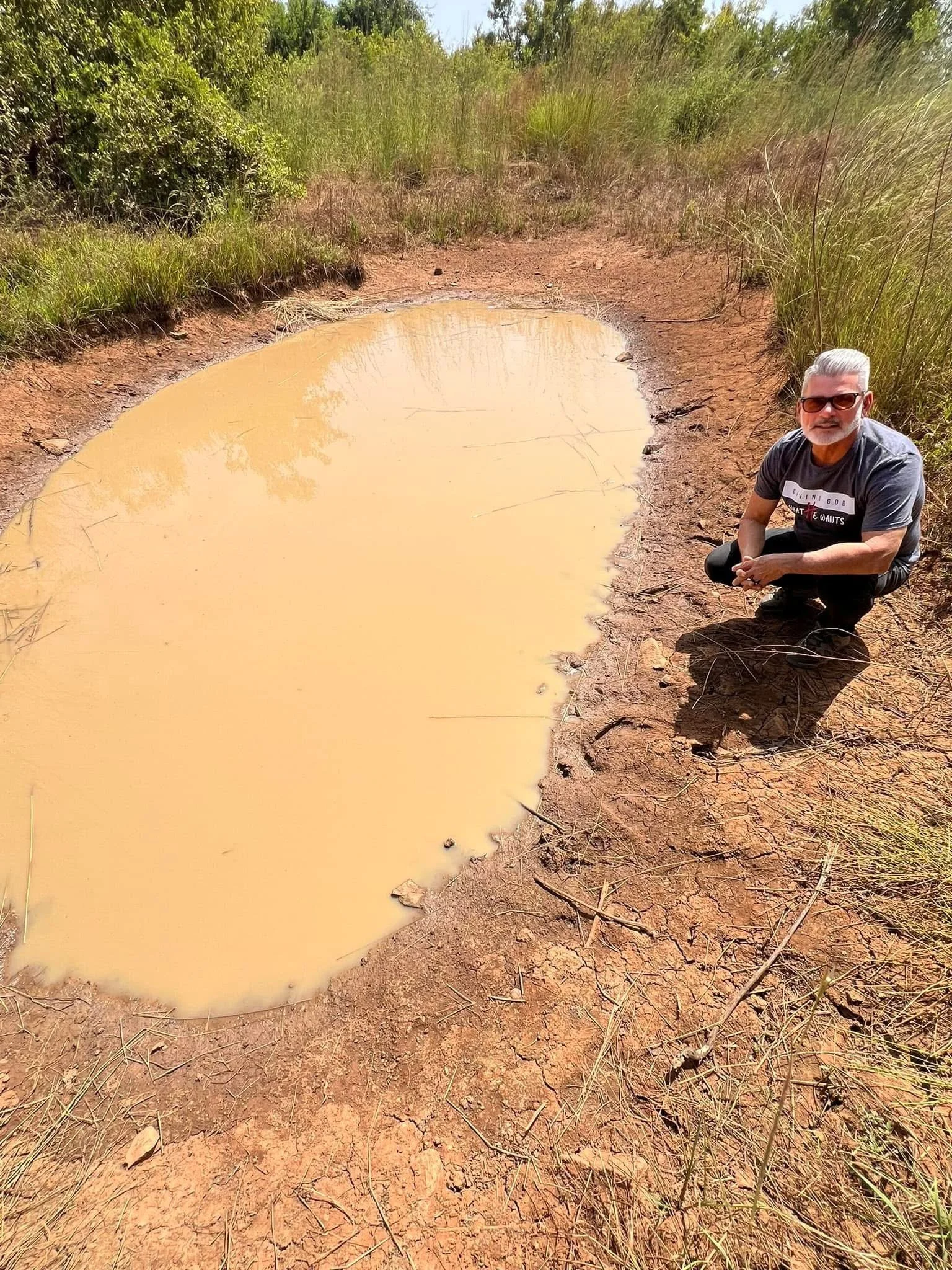
For families in some remote villages, drinking water comes from open ponds, rivers and streams—sources also used by cattle and other livestock, where animal waste can contaminate the water families depend on. In 2024, 106 million people worldwide still relied on surface water for drinking, according to WHO and UNICEF. Regions Beyond Global helps meet this need through wells and filtration, giving communities access to safer water and families one less daily threat to their health.
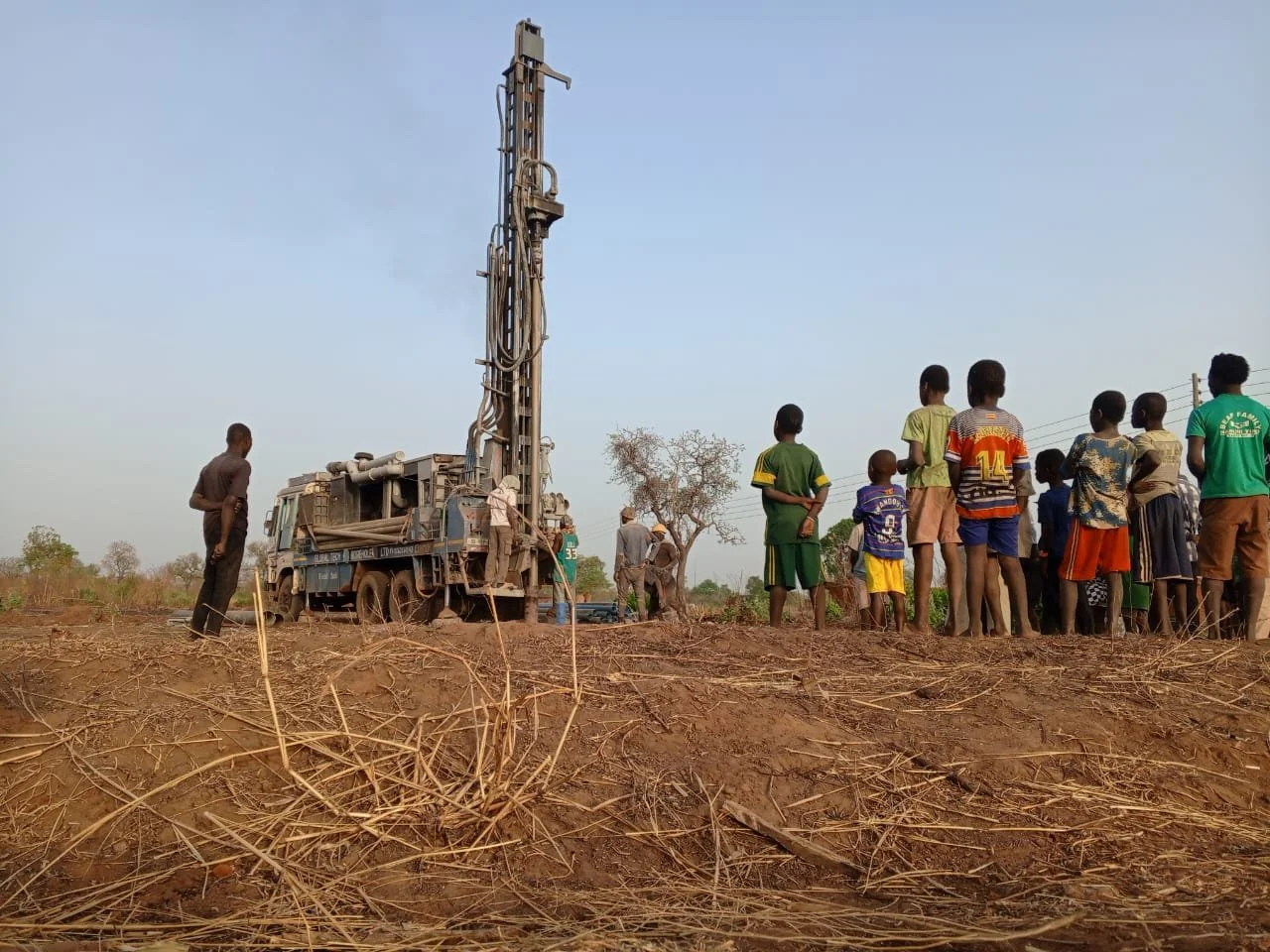
From the Ground Up.
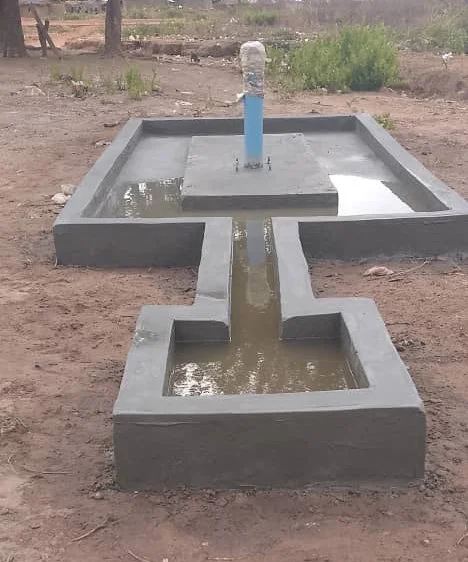
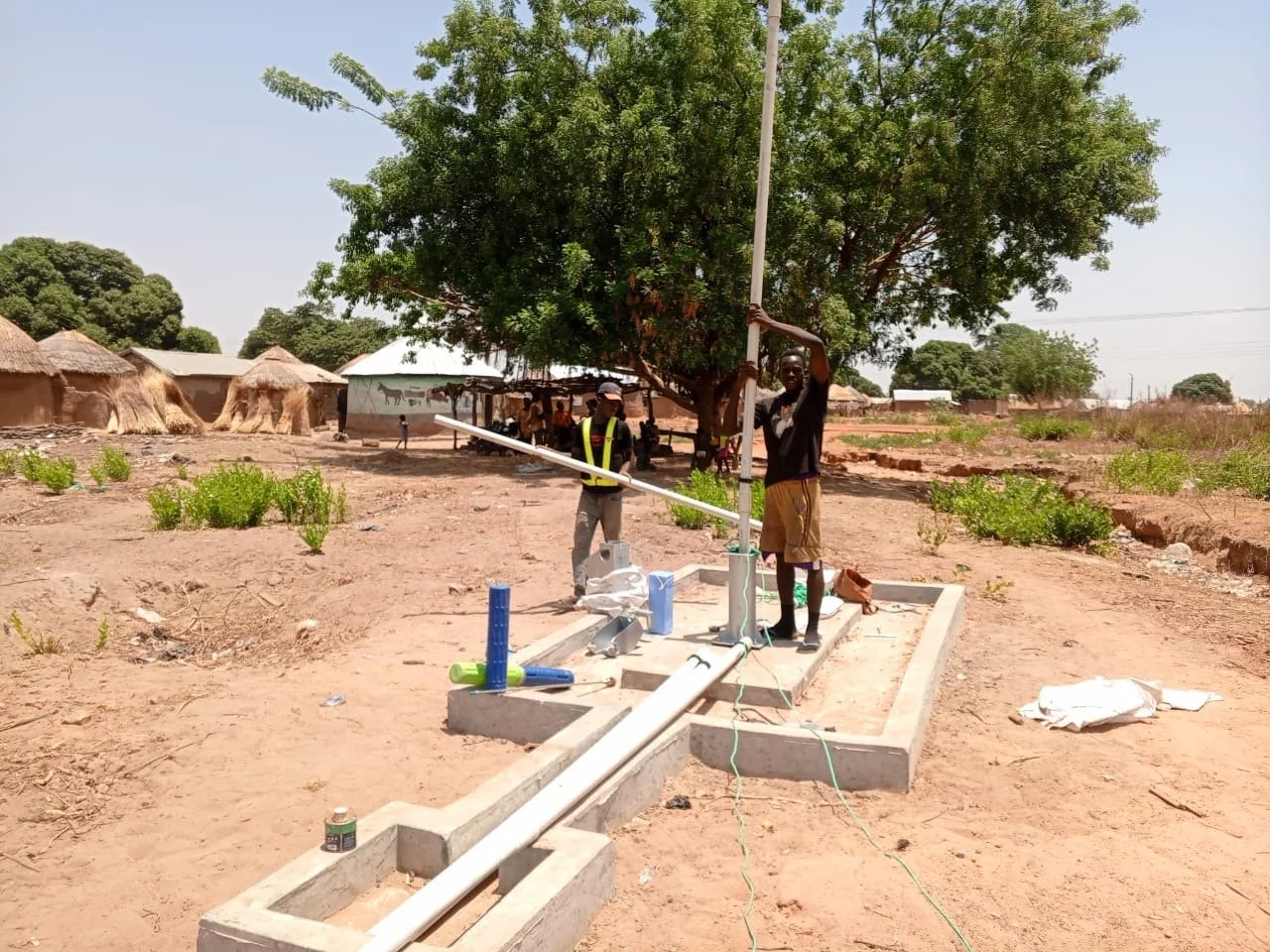
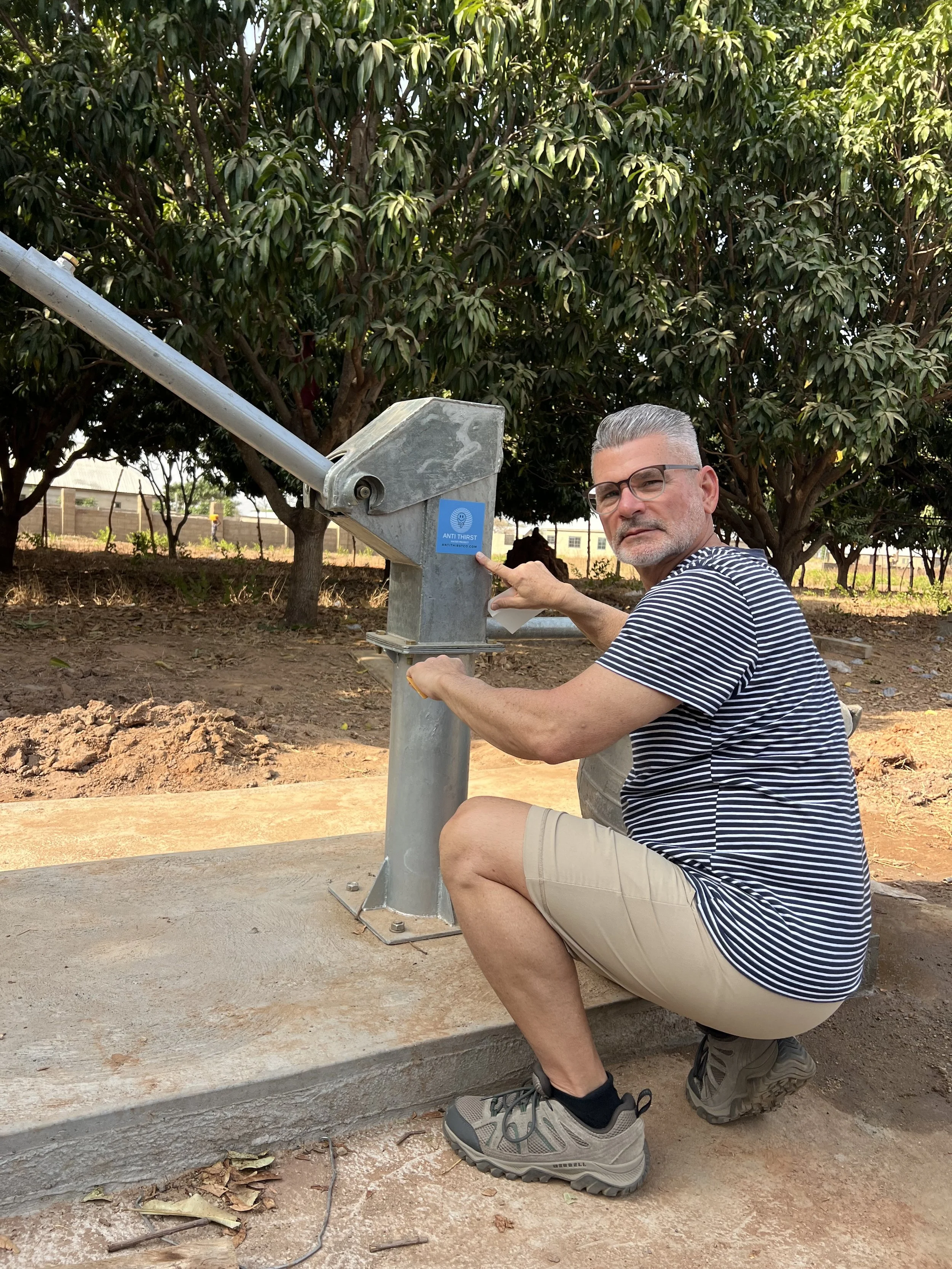
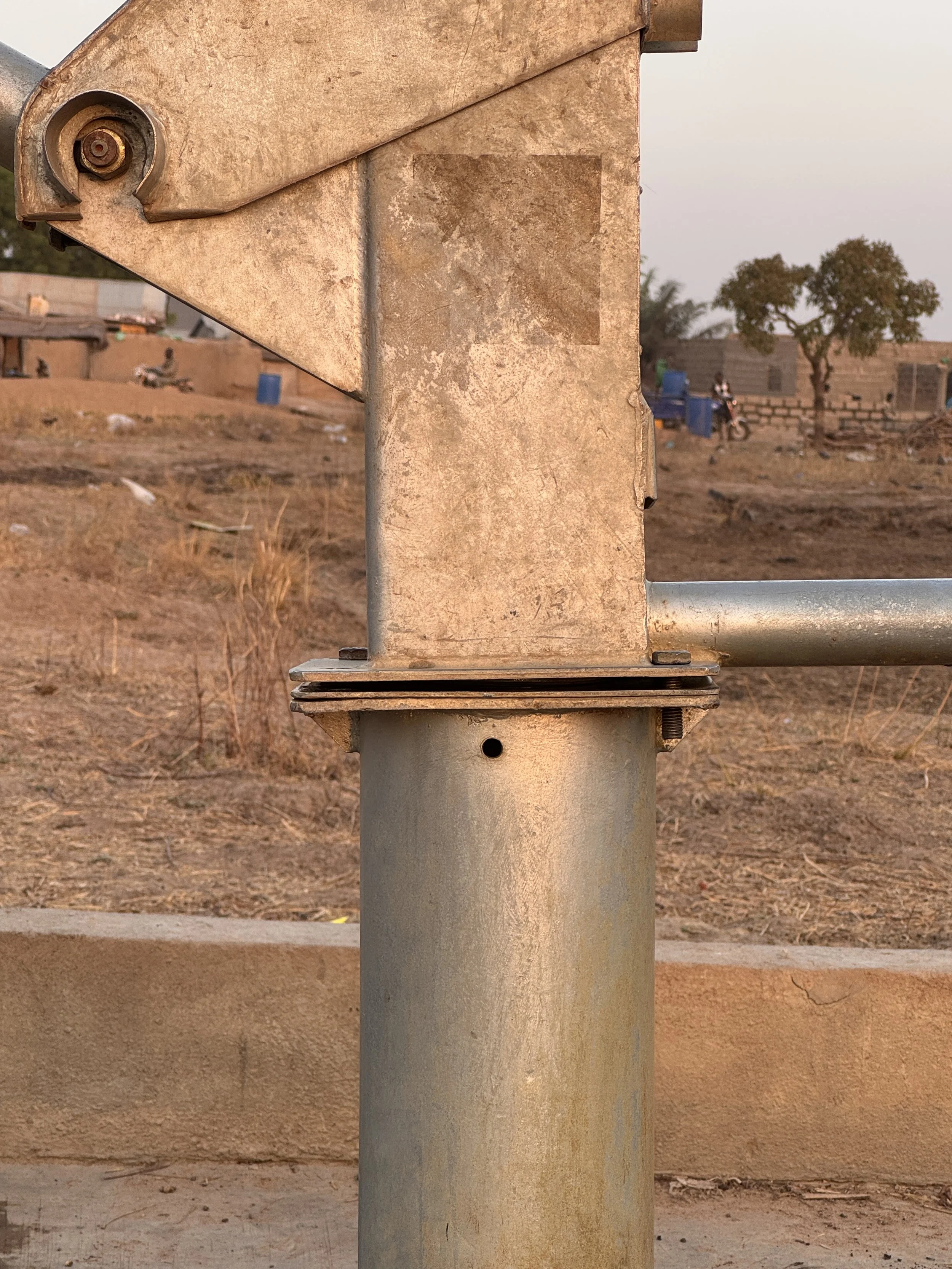
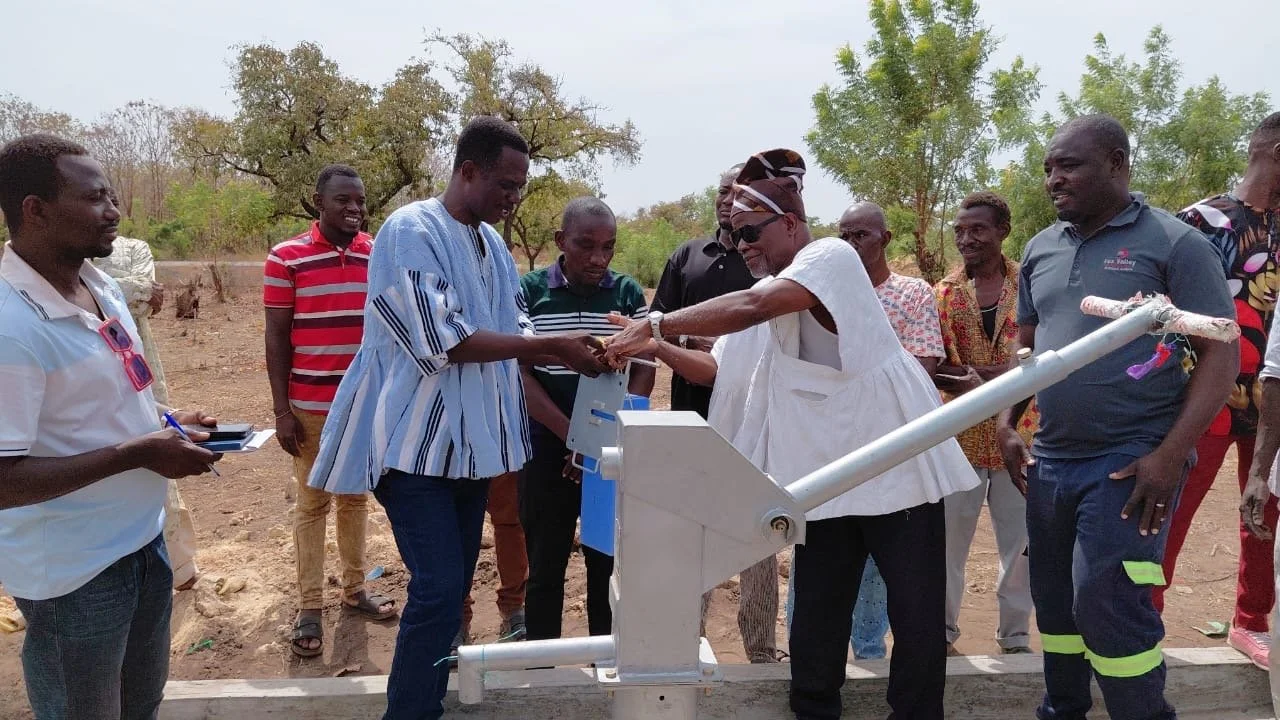
Installing a well begins with identifying a suitable location and drilling to reach water beneath the ground. Protective piping and a seal help keep the borehole stable and prevent contaminated surface water from entering. After testing the water supply and quality, a pump is installed so the community can collect water. We also install a trough around the well to capture spilled water for reuse, helping prevent waste and make every drop count. With proper maintenance, the well can provide a lasting source of safer drinking water close to home.
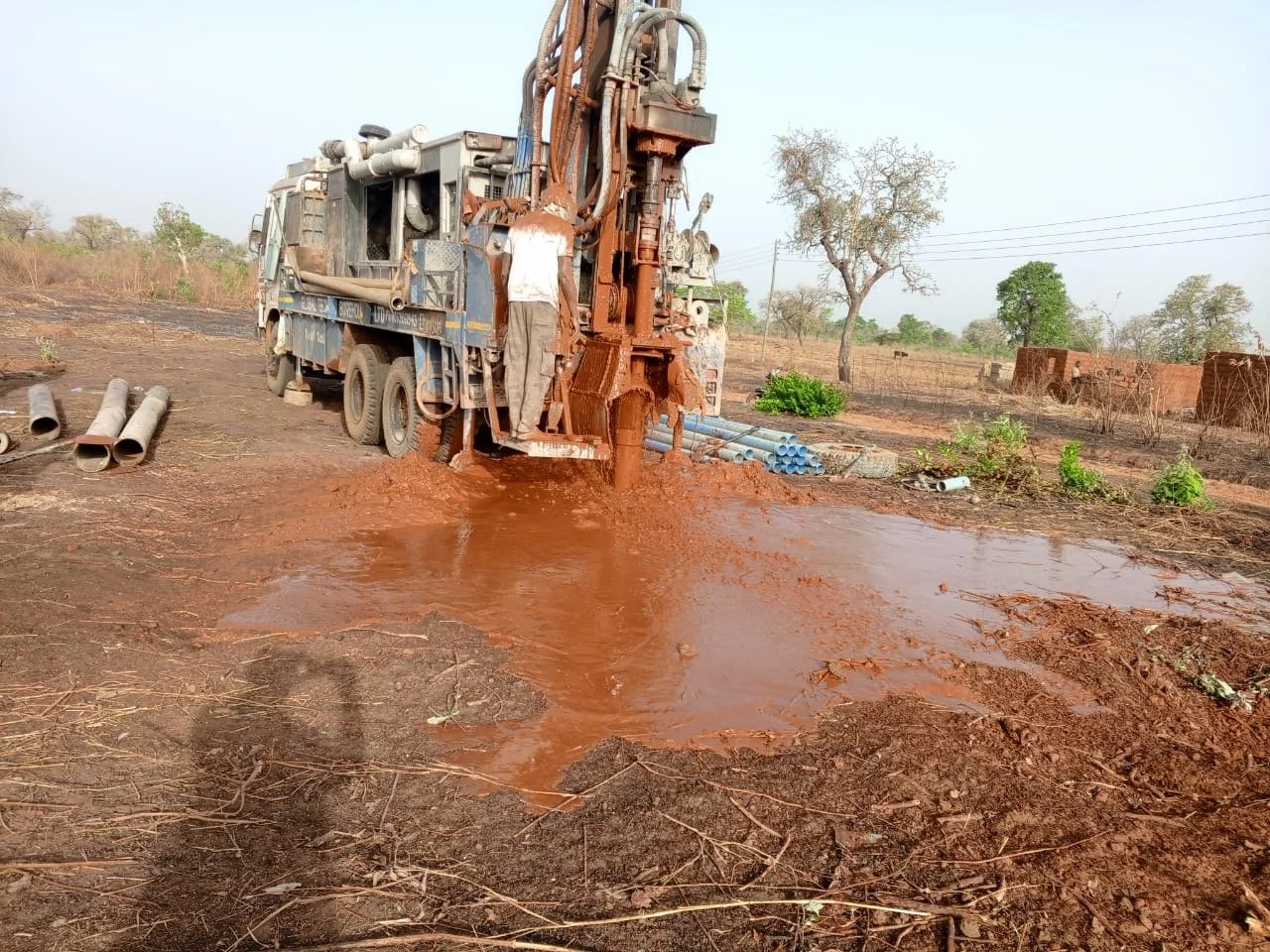
Not a drop wasted.
We build troughs around our wells to remove waste.